
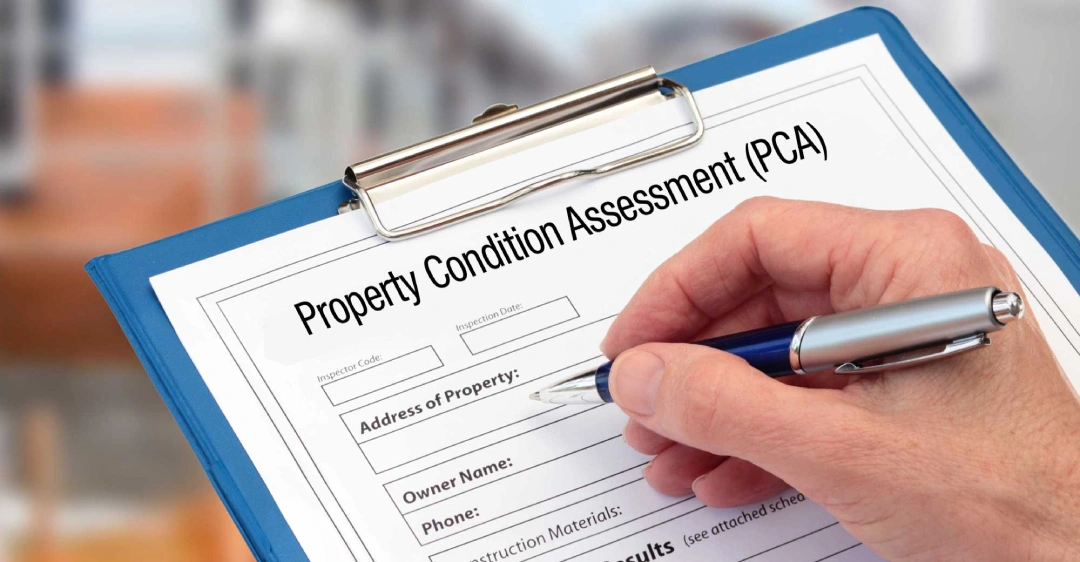
When you buy, lease, or refinance a commercial property, something you ought to specifically do is make sure the property is in a good condition. A property looks good externally but is problematic internally and ends up costing you a significant amount of money—perhaps in the millions—later. That is why a Property Condition Assessment (PCA) is important.
This primer reveals the nature of a PCA, why it is important, and how work is done by a commercial inspector. After reading the primer down to the very end, you should have a clear picture of what the process is about, the general cost involved in the process, and why you should work with qualified professionals like New York-based Commercial Inspection Group.
What is a Property Condition Assessment (PCA)?
A Property Condition Assessment (PCA) or a Property Condition Report (PCR) is a thorough survey of a commercial property to inspect the way the property is performing physically at the moment.
The goal is to:
- Find current issues.
- Identify potential future threats.
- Predict repair and replacement costs.
- Earn the confidence of investors, lenders, or customers prior to making financial decisions.
They abide by ASTM E2018 Standard guidelines for consistency and reliability across the board in the industry.
Why a PCA is needed?
Think of a PCA as a pre-buy inspection for the building. Just as you would not buy a car without the engine being checked, you should not buy or finance a property without inspection of the condition.
A PCA helps you:
- Prevent unexpected repair expenses.
- Plan for long-term upkeep.
- Negotiate better terms from the seller.
- assist lenders by mitigating financial risk.
- Keep safety guidelines in mind.
For example, if you are thinking about buying a tall office building in Manhattan, a PCA can show you hidden problems with the structure, roof damage, or old heating and cooling systems that could cost a lot to repair. Knowing this information early helps you negotiate better and feel more secure.
Property Condition Assessment Checklist
A PCA inspects many of the construction elements and systems. Here is a short list of what a qualified inspector inspects:
- Site and Grounds
- Parking lots, sidewalks, and driveways.
- Drainage systems and grading.
- Landscaping and irrigation systems.
- Retaining walls and fences.
- Accessibility (ADA compliance).
- Structural Systems
- Foundation (cracks, settlement, water intrusion).
- Framing and load-bearing elements.
- Columns, beams, and joists.
- Signs of structural distress or weakness.
- Roofing Systems
- Roof age and warranty details.
- Surface condition (tears, cracks, leaks).
- Drainage and gutter systems.
- Flashing and sealing around openings.
- Exterior Elements
- Walls (brick, siding, stucco).
- Windows and doors.
- Paint and finishes.
- Signs of water damage or deterioration.
- Plumbing Systems
- Water supply and piping.
- Drainage and waste systems.
- Hot water heaters.
- Evidence of leaks or corrosion.
- Electrical Systems
- Main electrical panels and wiring.
- Lighting fixtures.
- Backup generators.
- Compliance with safety codes.
- HVAC (Heating, Ventilation, and Air Conditioning)
- Boilers, chillers, and furnaces.
- Air handling units.
- Ductwork and insulation.
- Age and efficiency of equipment.
- Interior Elements
- Walls, floors, and ceilings.
- Restrooms and kitchens.
- Stairs, elevators, and escalators.
- Fire protection systems.
- Life Safety and Fire Protection
- Sprinkler systems.
- Smoke and fire alarms.
- Emergency lighting.
- Fire extinguishers and hydrants.
- Accessibility (ADA Compliance)
- Entrances and ramps.
- Restrooms accessibility.
- Parking and pathways.
Deliverables: What Is in a PCA Report
After you finish inspecting, you will be given a Property Condition Report (PCR). The document includes:
- System summary of buildings and current states.
- Photos of important discoveries.
- Urgent repair work.
- Estimated Remaining Useful Life (RUL) of major systems.
- A pre-established schedule for planned capital expenditures.
It is invaluable for budgeting, for negotiations and for long-range planning.
How much does a Property Condition Assessment cost?
PCA costs are not like random estimates you see online; they depend on certain factors:
- Size of property – Larger buildings require longer time and are expensive to inspect.
- Property type – Checking a warehouse is easier than checking a tall office building.
- Age and condition – Older buildings require more diligent inspection.
- Location – The costs in New York City can be more in small towns owing to the high operating and labor costs.
Common Expenses:
- Small plots (under 10,000 square feet): $2,000 – $4,000.
- Medium properties (10,000–50,000 square feet): $4,000 – $7,500.
- Big facilities (50,000 plus sq ft or multi-building facilities): $7,500 – $15,000+
Remember, the price of skipping a PCA might be a lot more in the event you wind up having unexpected repairs following the closing.
How Long Does the PCA Take?
- Small properties: 3-5 days.
- Medium properties: 1–2 weeks.
- Large/complex properties: 2–4 weeks.
Timelines also depend upon how easily papers and records of buildings are made available.
FAQs: Property Condition Assessment
Q1. What does a property condition assessment cover?
It comprises significant systems such as building framing, roofs, plumbing, electrical, heating and cooling, fire safety, and site features.
Q2. Is a PCA and a home inspection the same?
No. A home inspection is for one- and two-family residential buildings while a PCA is written for commercial buildings and follows industry practices (ASTM E2018).
Q3. Who needs a PCA?
Purchasers, lenders, investors, property managers, and vendors who wish to find problems before they put their property up for sale.
Q4. May I use PCA results for negotiation?
Yes. If major repairs are discovered, purchasers can negotiate a lower price or the seller can repair them prior to closing.
Q5. How often should a PCA happen?
Best at the point of acquisition, refinancing, or periodically for real estate portfolio management.
The Importance of Including Qualified Inspectors
Checklists are helpful, but not all inspections are the same. The use of a qualified and certified inspector helps you see everything.
At Commercial Inspection Group in New York, we have years of experience inspecting office buildings, malls/shopping centers, warehouses, and industrial properties. Our reports are concise, reliable, and easy to read—with the goal of making you feel confident in making wise real estate decisions.
Conclusion
A Property Condition Assessment (PCA) is not just a necessity—it helps you avoid costly surprises and complications in the future. When you buy, sell, or deal with a property in New York, a detailed checklist helps you know what you are getting yourselves into.
A PCA examines everything in a dwelling, such as the roof, the structure, the heating and the cold system, and the fire safety. While the price initially appears steep, it is inexpensive considering the cost of financial risk of not having it. If you are in search of reliable, qualified, and accredited PCA services then New York-based Commercial Inspection Group is here for you. Our knowledgeable team offers clear and standard-industry reports and provides you with reassurance. Call us today to arrange for your Property Condition Assessment and rest assured your investment is safe.