

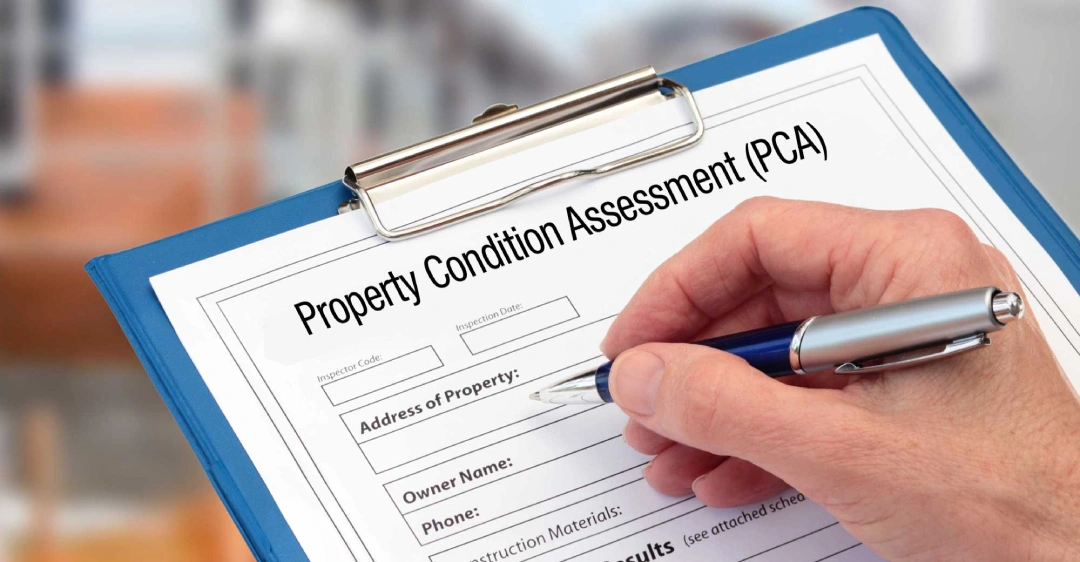
When stepping into a commercial real estate transaction—acquisition, refinancing, or even long-term capital planning—one of the most important components of due diligence is knowing the physical condition of the property. That’s where Property Condition Assessments (PCAs) step in. While pieces such as zoning reports and environmental studies tend to get priority early attention, PCAs get pushed back or even ignored altogether, and it’s an expensive error to make.
In reality, a PCA is more than a check box—it’s a valuable strategic tool. It’s a blueprint of where the building stands today, a way to minimize potential future risks, and in many cases, it’s being demanded by lenders to ensure their investment. Let’s take a closer look at why a PCA matters and how it intersects with the larger real estate due diligence process.
What Is a Property Condition Assessment?
A Property Condition Report is a thorough appraisal of a commercial property’s physical condition and systems. The report concludes in a formal document that details the condition of the property as it stands, reports any actual or potential deficiencies, and outlines projected repair or replacement costs over time.
These evaluations are most often performed in compliance with ASTM E2018-15 standard and entail a visual examination as well as cost analysis. Buyers, lenders, and investors utilize the report to make informed decisions as to whether or not to go through with a deal—and on what terms.
Key Elements of a PCA
- A typical PCA contains evaluation of the following:
- Site improvements (parking lots, landscaping, drainage)
- Structural systems and building envelope
- Facades (non-invasive, visual examination)
- Roofing systems (non-invasive, visual inspection)
- Mechanical, Electrical, and Plumbing (MEP) systems
- Elevators and vertical transportation
- Life safety and fire protection systems
- Interior finishes in common areas
- Accessibility compliance (ADA evaluation)
Following the walkthrough, the field observer and engineers assemble the report, specifying issues classified as:
- Immediate needs (safety issues or immediate repairs)
- Short-term costs (in the next 1–2 years)
- Long-term capital planning (replacement reserve table for 5–12 years)
Why Are Property Condition Assessments Important?
1. Risk Mitigation
Commercial real estate investments are substantial financial undertakings. A PCA minimizes the risk of unforeseen repair bills by catching behind-the-scenes deficiencies in the early stages. Faults such as ancient HVAC systems, roof leaks, or structural issues may have a monumental impact on the value and profitability of a property.
2. Negotiation Leverage
Purchasers who are provided with a comprehensive PCA report are better placed to negotiate purchase price, ask for repairs, or modify terms of financing. The report can be employed to renegotiate the offer or insist that the seller effect improvements prior to closing.
3. Lender Requirement
Lenders typically demand a PCA prior to issuing commercial real estate loans. It certifies the collateral as structurally sound and ensures that repair expenditures will not ruin the borrower’s financial situation.
4. Capital Planning
Asset managers and property owners utilize PCA results to inform long-term capital budgeting. With an accurate understanding of short- and long-term repair requirements, owners can properly budget money and avoid crisis repairs.
5. Tenant Responsibility
In lease situations—most notably triple-net (NNN) or absolute net leases—the PCA benefits both landlords and tenants. It assists in delineating who pays for deferred maintenance and makes no one responsible for concealed conditions after signing.
When Should You Order a PCA?
The best time to place a PCA order is prior to closing on the property—preferably during due diligence. This way, everybody can find out about any red flags and walk away, renegotiate, or create a plan of mitigation.
In certain situations, both purchaser and seller instruct individual PCAs to back up their individual valuations and liability determinations. Sellers who wish to sell assets may also actively undertake a PCA to ensure buyer confidence.
For lease transactions, particularly in large offices or industrial environments, a pre-lease PCA prevents tenants from being held accountable for defects.
Real-World Use Cases
Below are a few examples where PCAs have been of immense value:
A private equity company found a leaking roof membrane during a PCA that saved them $250,000 in post-close costs.
A retail tenant signing an absolute NNN lease utilized PCA findings to negotiate a $50,000 credit for HVAC upgrades.
A bank declined to lend on a commercial property that needed $1M of urgent repairs that were not disclosed by the borrower.
These illustrations highlight the genuine, concrete advantages that an extensive property inspection can provide.
4-Step Process for Completing a Property Condition Assessments (PCAs)
The typical PCA process consists of four straightforward steps:
1. Gather a Qualified Team
Select a consultant or company with commercial real estate inspection experience. Based on the type of property, the team might include structural engineers, MEP consultants, roofing specialists, and ADA compliance experts.
2. Conduct a Site Visit
The field observer conducts a physical inspection of the property. This walk-through consists of visual observation and photodocumentation of observable deficiencies.
3. Assemble the Report
The consultant produces a comprehensive report noting deficiencies, prioritizing them by level of urgency, and estimating the repair or replacement cost. A reserve table can be added to estimate future capital requirements.
4. Create an Action Plan
Based on the findings, stakeholders (buyer, seller, lender, or tenant) create a roadmap for remediation, budgetary allocation, or renegotiation. Certain companies, such as Allegro, even provide post-inspection consulting to help with implementation.
PCA + ESA: A Smart Combo
For a more complete due diligence package, most experts suggest that you couple a PCA with a Phase I Environmental Site Assessment (ESA). While the PCA assesses the physical condition of the building, the ESA looks for possible environmental liabilities like soil contamination, underground storage tanks, or past hazardous uses.
Coupled together, these reports provide investors, purchasers, and lenders with a complete picture of the property’s condition—above and below ground.
A PCA Is an Investment in Confidence
A Property Condition Assessment is more than a report—it’s a valuable decision-making tool. Whether you’re purchasing, refinancing, leasing, or selling commercial property, a PCA provides transparency, helps reduce risk, and gives you an upper hand during negotiations.
In the quick-paced commercial real estate universe, surprises have a cost. A successful PCA saves you from walking into your transaction blind, with fuzzy facts, and uncertain as to whether your investment is solid.
If you’re on the brink of making a commercial real estate deal, don’t bypass the PCA. Don’t view it as an expense—but as an intelligent investment in safeguarding your bottom line.
A PCA Is an Investment in Confidence
A Property Condition Assessment isn’t a report—it’s a dynamic decision-making instrument. Regardless of whether you’re purchasing, refinancing, leasing, or selling commercial property, a PCA provides clarity, reduces risk, and gives you an edge at the bargaining table.
In the high-speed world of commercial real estate, surprises cost money. A PCA executed properly gives you an honest walk into your transaction with open eyes, clean data, and the comfort of knowing that your investment is solid.
If you’re thinking about a commercial real estate transaction, don’t overlook the PCA. Don’t think of it as a cost—but a shrewd investment in safeguarding your bottom line.
For additional information regarding our assessment services contact (516) 467-7328 or visit Property Condition Assessment Services in New York (PCAs)